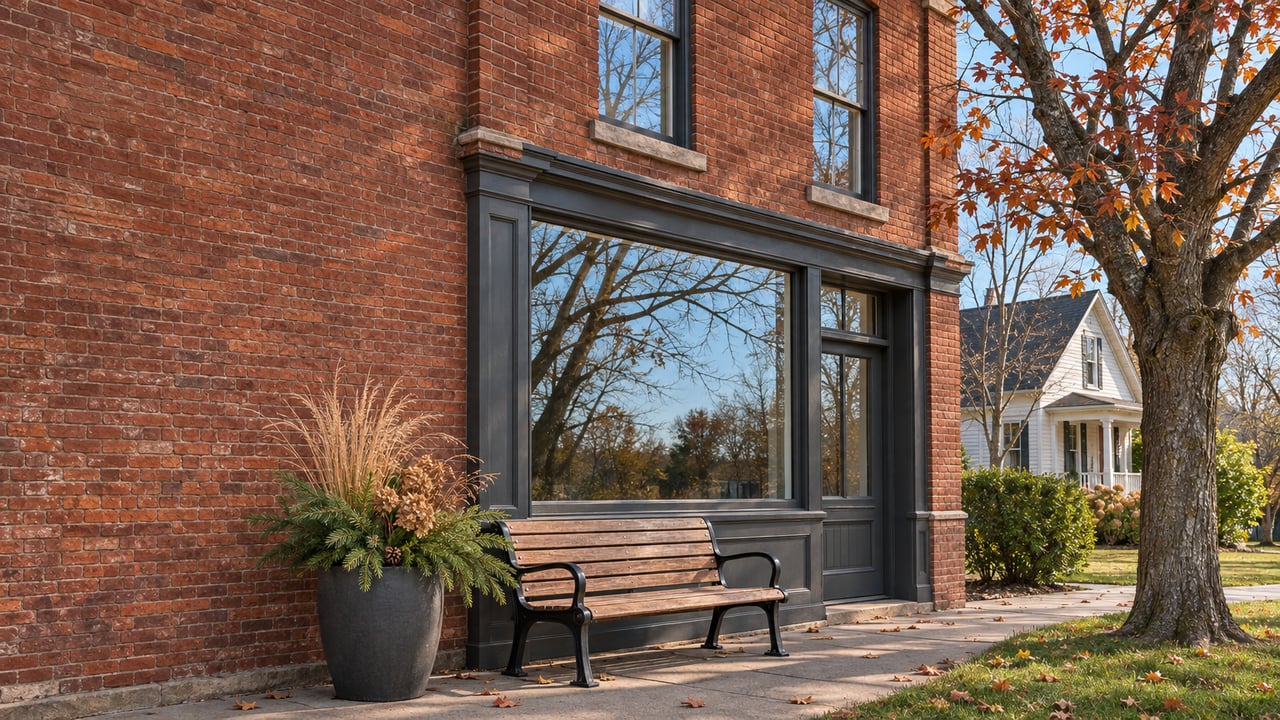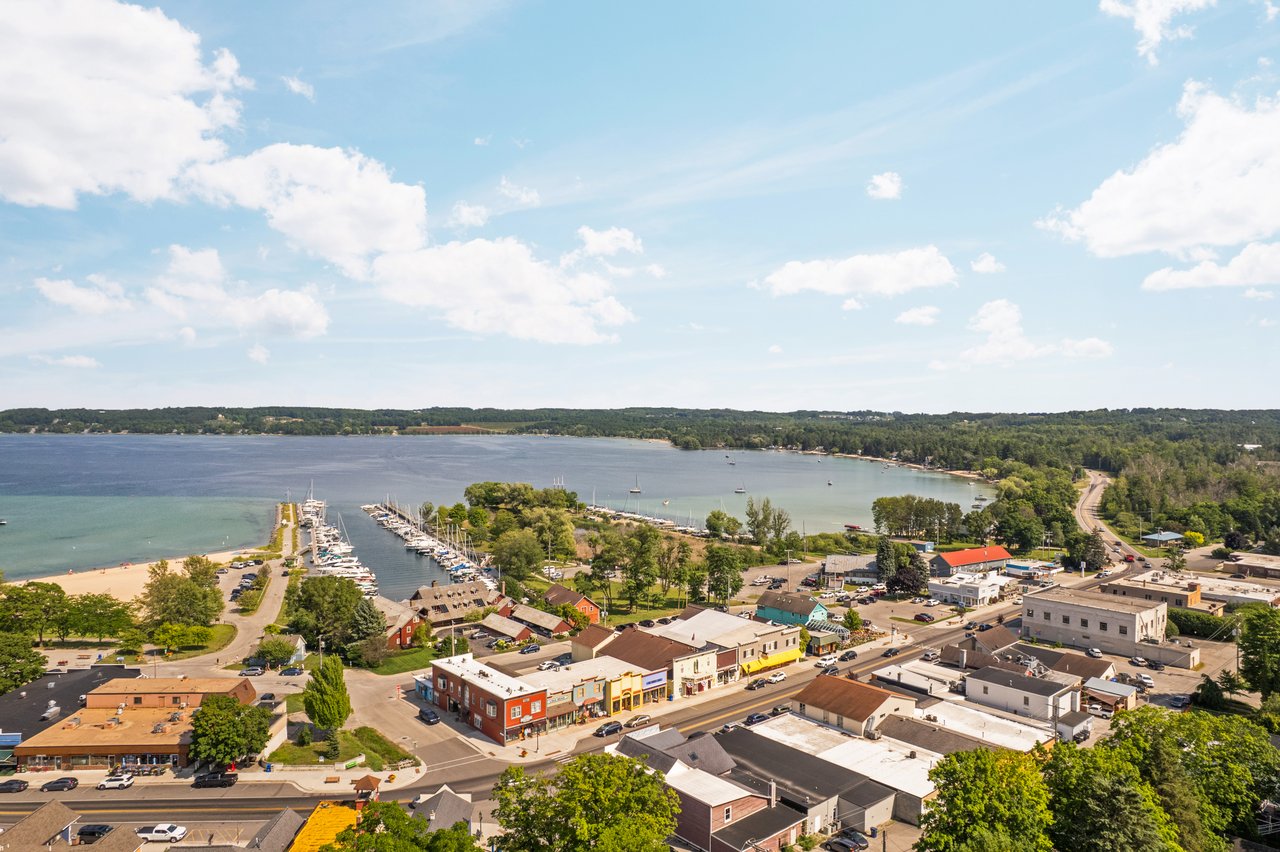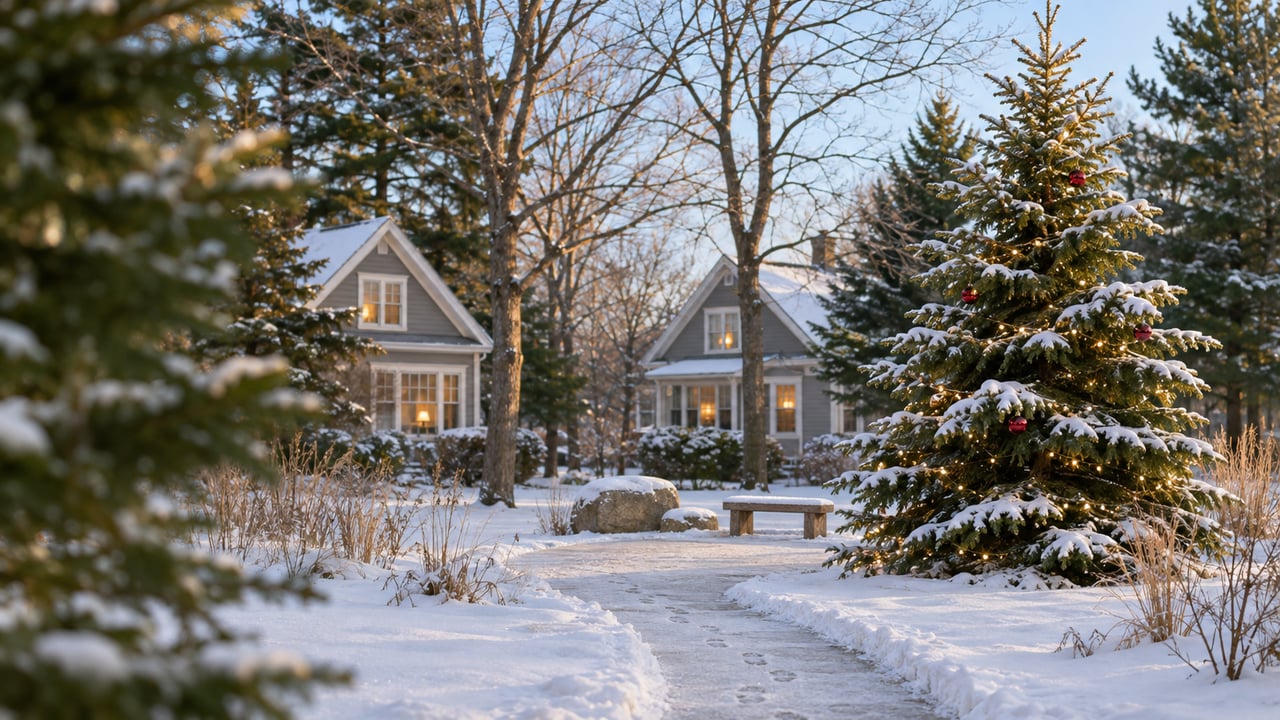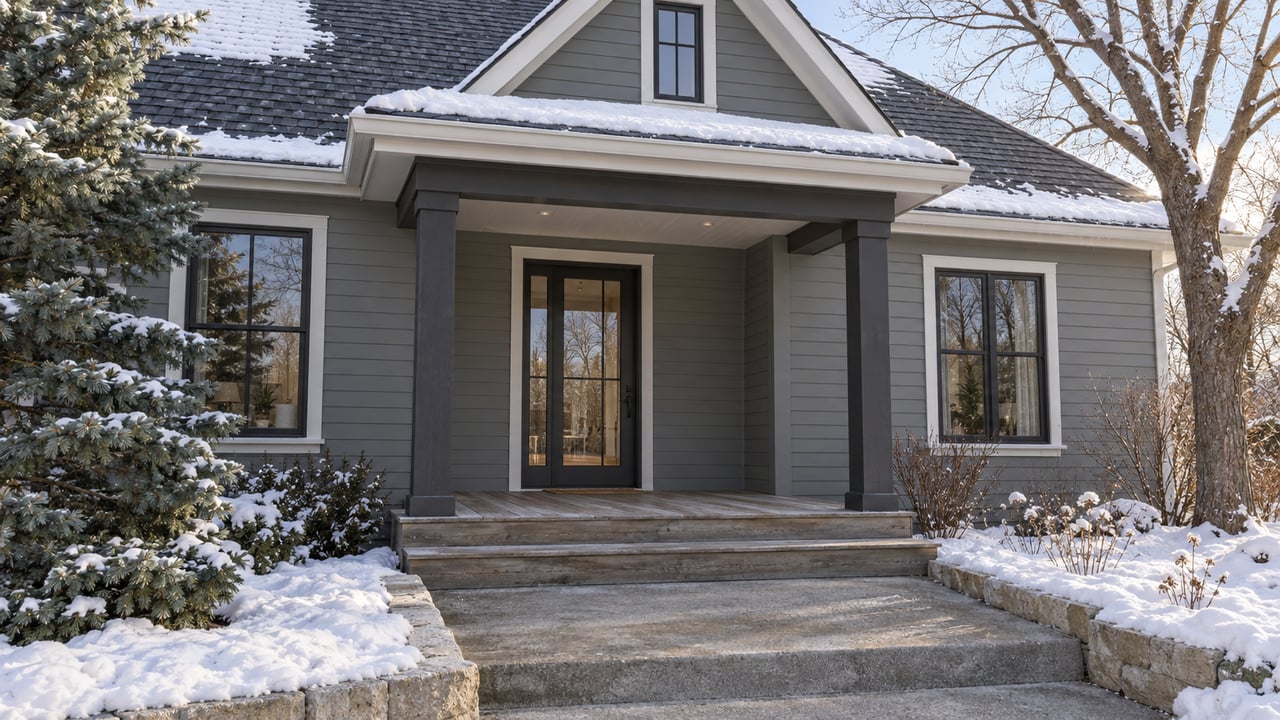
Central Neighborhood in Traverse City is an established in-town neighborhood directly south and southwest of downtown. Known for historic homes, mature trees, brick-paved sections of Sixth Street, and convenient access to Front Street, Central has a distinct identity shaped by architecture, history, and community activity.
For people considering a move, the neighborhood combines historic character, riverfront green space, local traditions, and everyday access to downtown. On Sixth Street, Victorian-era homes, mature trees, brick paving, and the riverfront at Hannah Park bring much of Central’s character into a single walk. This guide explores the area’s history, homes, landmarks, schools, and current real estate market.
Take a video tour of Central Traverse City
Join Jen Warren, a Traverse City native and REMAX Bayshore real estate agent, for a closer look at the streets, homes, and landmarks that help define Central Neighborhood.
Central Traverse City at a glance
Location: Directly south and southwest of downtown Traverse City, extending roughly from Front Street to the Fourteenth Street corridor
- Known for: Historic homes, mature trees, brick-paved streets, neighborhood traditions, and convenient downtown access
- Home styles: Victorian and Queen Anne homes, American Foursquares, Craftsman houses, Colonials, bungalows, and renovated historic properties
- Nearby destinations: Downtown Traverse City, Front Street, Hannah Park, the Boardman/Ottaway River, Thirlby Field, Crooked Tree Arts Center, and the Carnegie Building
- Nearby school: Central Grade School, with assignment and enrollment eligibility dependent on the property address
Where is Central Neighborhood in Traverse City?
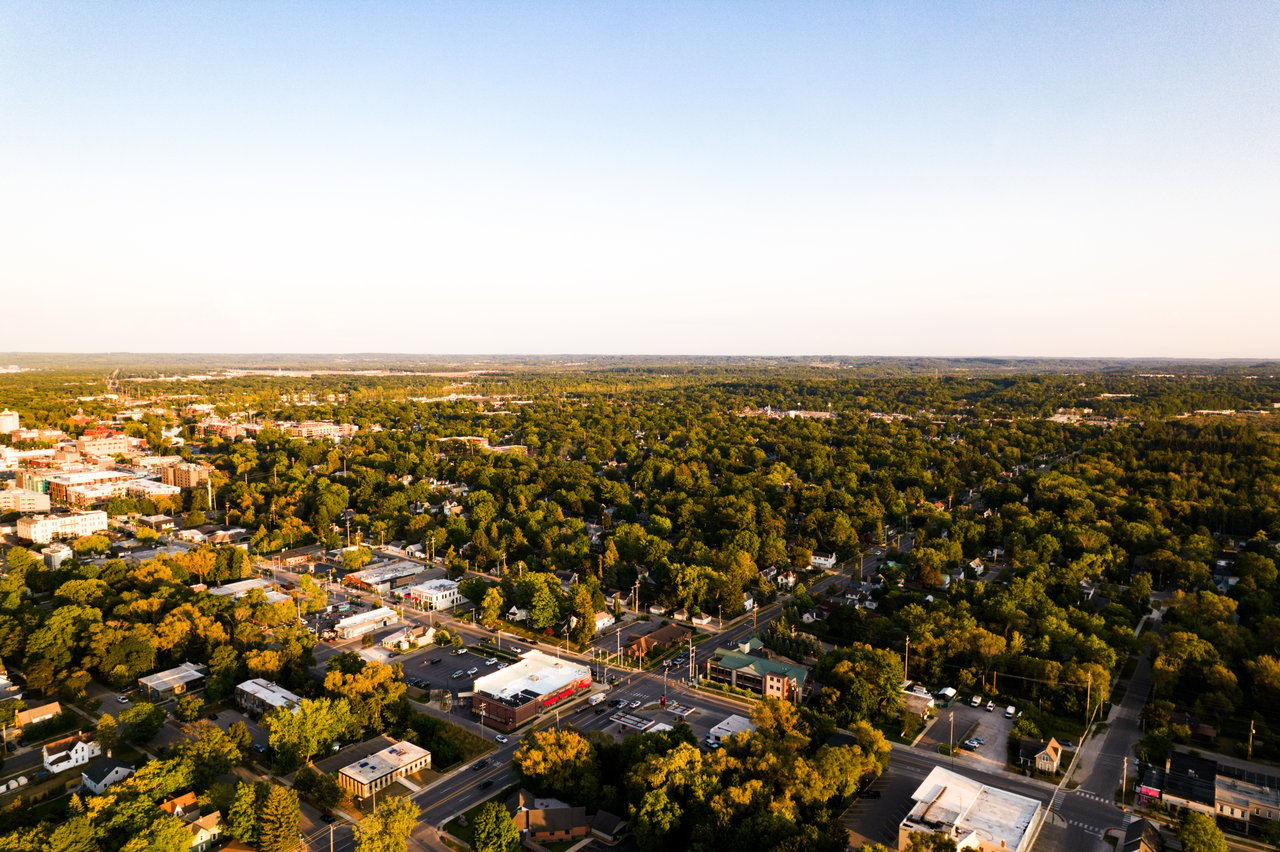
Central Neighborhood sits directly south and southwest of downtown Traverse City. The broader neighborhood stretches roughly from the downtown area toward Fourteenth Street, placing many addresses within a short drive, bike ride, or walk of Front Street.
Its location creates a close connection between residential streets and everyday destinations. Downtown restaurants, shops, professional services, entertainment, and community events are nearby, while Union Street, Division Street, and other city routes connect the neighborhood to the rest of Traverse City.
Central Neighborhood should not be confused with downtown itself. It is a distinct residential neighborhood with its own architecture, parks, landmarks, and community.
The broader Central Neighborhood is also not identical to the designated Central Neighborhood Historic District. The historic district covers a smaller portion of the area centered around some of its oldest and most architecturally significant blocks. Buyers considering a specific property should consult the City of Traverse City’s historic-district information and maps rather than relying on the neighborhood name alone.
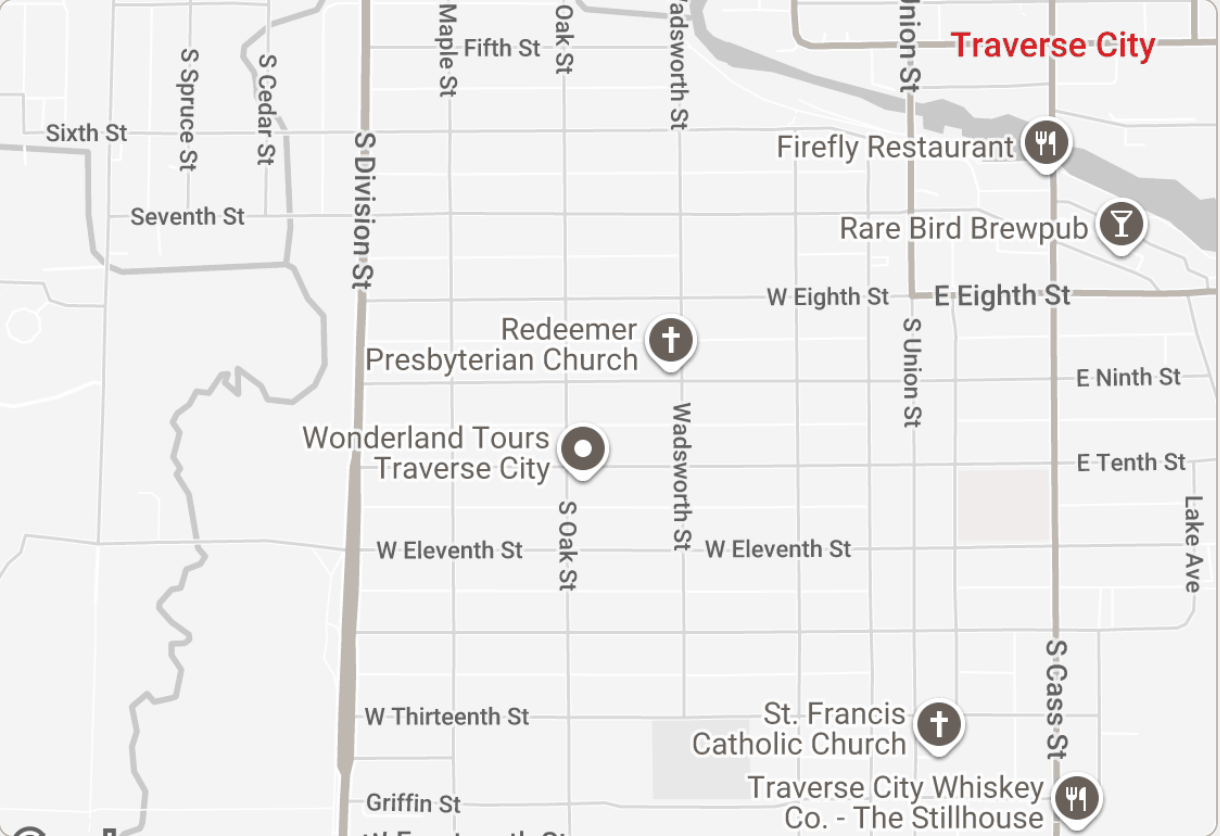
Image Source: Realtor.com Local Market Summary 2026
The history of Central Traverse City
Central’s streets reflect an important period in Traverse City’s development. Most homes within the historic district were constructed between 1890 and 1914, when Traverse City was expanding beyond its commercial core.
Part of the neighborhood is included in the Central Neighborhood Historic District, which was added to the National Register of Historic Places in 1979. The district is recognized for its architecture and its connection to Traverse City’s commercial, civic, and political history.
Historic Sixth Street
Sixth Street is one of Central’s most recognizable areas. Historic homes, mature trees, sidewalks, and brick-paved sections of the street create a streetscape that feels closely connected to Traverse City’s past.
One of the area’s best-known landmarks is the 1891 Perry Hannah House at Sixth and Pine streets. The Queen Anne residence is separately listed on the National Register of Historic Places and reflects the late-Victorian character found along Sixth Street and nearby blocks.
The surrounding blocks include homes from different stages of the city’s growth. This architectural variety continues throughout Central, giving the neighborhood a character that changes from one street to the next.
The Carnegie Building
The Carnegie Building at 322 Sixth Street is another important neighborhood landmark. The building was dedicated and opened as Traverse City’s public library in 1905. Today, it remains a familiar part of the Sixth Street streetscape and continues to serve as a gathering place for neighborhood meetings and community activity.
The Traverse City Central Neighborhood Association holds meetings at the building and works to keep residents informed about local projects, events, and issues affecting the neighborhood.
What is it like to live in Central Traverse City?
Life in Central is shaped by the combination of an established residential setting and convenient access to downtown. Many streets are lined with older homes, mature landscaping, sidewalks, and architectural details that have developed over generations.
The experience varies throughout the neighborhood. Some addresses sit close to downtown businesses and busier streets, while others are located along quieter residential blocks. Home age, lot size, parking, traffic, and proximity to community destinations can also differ considerably by location.
Close to downtown Traverse City
Proximity to downtown is one of Central’s defining connections. Front Street restaurants, shops, cultural destinations, professional services, and community events are within easy reach from many parts of the neighborhood.
Traverse City’s 2024 Master Plan reinforces Central’s reputation for walkability and bikeability, listing the neighborhood with a Walk Score of 88 and a Bike Score of 95. Both were tied for first among city neighborhoods. Actual routes and conditions still vary by address, destination, traffic, construction, and season.
Hannah Park and the Boardman/Ottaway River
The 4.12-acre Hannah Park sits along the Boardman/Ottaway River in the historic portion of Central Neighborhood. It includes small river platforms, seating, picnic tables, parking, and fishing access, along with Perry Hannah Plaza at Union and Sixth streets.
The river and park add green space to an otherwise in-town setting. They also create a natural connection between Central, downtown, and the broader network of public spaces along the river.
Neighborhood traditions and community activity
Central is known for active neighborhood traditions, including seasonal decorations, Halloween activity, and community gatherings. The Central Neighborhood Association also sponsors PorchFest, an annual music event that brings performances to neighborhood porches and yards.
Nearby Thirlby Field contributes another familiar rhythm to the area, particularly during Friday night football games and other community events.
These activities help give Central a recognizable identity beyond its location and architecture. Schedules and locations vary by year, so residents and visitors should confirm current details with the appropriate organizers.
The types of homes in Central Traverse City
Central’s housing reflects multiple periods of Traverse City’s growth. Victorian and Queen Anne homes are among its most recognizable properties, particularly around Sixth Street and within the historic district. Buyers may also find American Foursquares, Craftsman houses, Colonials, bungalows, and thoughtfully renovated historic residences.
That architectural range means two homes with similar square footage may offer very different ownership experiences. Age, condition, renovation quality, mechanical systems, foundations, lot configuration, parking, and original materials can all influence a property’s value and long-term maintenance needs.
The broader neighborhood also includes rental properties and accessory dwelling units. The presence, condition, and permitted use of an accessory dwelling unit should be evaluated individually and confirmed through city records.
A local REMAX Bayshore real estate agent can help buyers compare recent sales, understand block-by-block differences, and identify the property features most likely to influence value within Central.
What buyers should know about historic homes in Central
Historic homes can offer craftsmanship, architectural details, and a connection to Traverse City’s past that are difficult to reproduce in newer construction. Older construction can also require closer inspection and more maintenance planning.
Buyers should consider both visible improvements and the underlying condition of the property. Electrical systems, plumbing, heating and cooling, roofing, foundations, insulation, windows, drainage, and previous renovations may all warrant closer review. A detailed inspection can help buyers understand immediate concerns and anticipate longer-term maintenance.
Historic-district requirements are another property-specific consideration. Homes located within the City’s designated historic district may be subject to Historic Districts Commission review for certain exterior alterations, additions, demolition, or other qualifying work.
That does not mean every home in Central is subject to the same requirements. Buyers planning exterior changes should verify whether the property falls within the historic district and consult the City of Traverse City before relying on general neighborhood information.
The Central Traverse City real estate market
Central typically has a limited and varied selection of available homes. Because the active inventory may include anything from a smaller bungalow to a large renovated historic residence, monthly neighborhood statistics can change quickly.
As of September 2026, Realtor.com reported a median listing price of $597,000 in Central Traverse City and a median time on market of 59 days. The median listing price per square foot was $337.
These figures reflect a monthly snapshot of active listings, not the expected sale price or marketing time of every home. Condition, updates, architecture, lot, parking, location, and historic-district status can create meaningful differences from one property to another.
Schools near Central Traverse City
Central Grade School is a familiar neighborhood landmark near Central’s northern end and is part of Traverse City Area Public Schools. The school has a long history within the community and is currently undergoing a period of renovation and transition.
School locations, attendance boundaries, construction schedules, and enrollment eligibility can change. Buyers should confirm current information directly with Traverse City Area Public Schools and review district boundary information for the specific property address.
Is Central Traverse City a good place to live?
Whether Central is the right fit depends on what someone values in a neighborhood and a home. It may appeal to people who appreciate historic architecture, established residential streets, access to downtown, riverfront green space, and active neighborhood traditions.
Buyers should also consider the practical details associated with an older in-town neighborhood. Home condition, renovation history, lot size, parking, traffic, and proximity to busier streets can vary. Historic-district requirements may also affect future exterior projects at some properties.
Walking through the neighborhood at different times of day and carefully evaluating individual homes can provide a more complete picture than location alone.
Buying or selling a home in Central Traverse City
Central’s historic architecture, varied housing, downtown access, and limited inventory mean that every property brings a different set of considerations.
Buyers benefit from understanding recent comparable sales, inspection findings, historic-district boundaries, and the features that distinguish one block or home from another. Sellers benefit from a pricing and marketing strategy that accounts for the property’s condition, updates, architecture, location, and individual history.
Whether you are moving in, moving out, or simply exploring, REMAX Bayshore is here as a local resource. Connect with a REMAX Bayshore agent to learn more about homes for sale in Central Traverse City, recent neighborhood sales, or what selling a Central home could look like for you.
Frequently asked questions about Central Traverse City
Is Central Neighborhood considered part of downtown Traverse City?
No. Central is a separate residential neighborhood directly south and southwest of downtown, although many addresses are close to Front Street.
Is all of Central Traverse City part of the historic district?
No. The designated Central Neighborhood Historic District covers only part of the broader neighborhood. Buyers should check the City’s historic-district map for the specific property.
Do renovations in Central Traverse City require Historic Districts Commission review?
Certain exterior projects involving properties within the designated historic district may require Historic Districts Commission review. Requirements depend on the property and the proposed work, so owners should consult the City before beginning a project.
How can I find homes for sale in Central Traverse City?
Use a Central-focused property search for current listings. A REMAX Bayshore agent can also provide context on recent sales, property condition, historic status, and block-by-block differences.